
Bob Dylan's Poetry the Subject of New Book by Iowa Alum
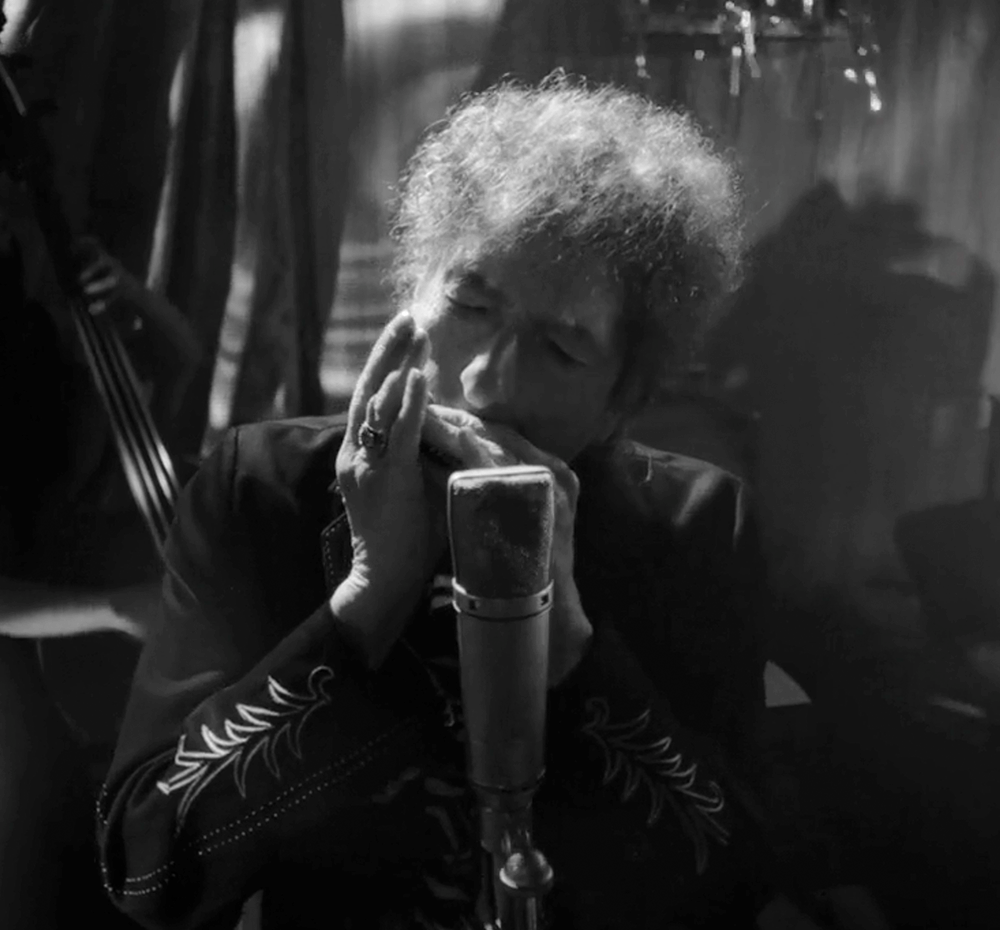 PHOTO COURTESY HANCHER
Bob Dylan, who will perform March 25 at Hancher, is the subject of a new academic book edited by Iowa alumnus Mike Chasar featuring essays by 30 scholars.
PHOTO COURTESY HANCHER
Bob Dylan, who will perform March 25 at Hancher, is the subject of a new academic book edited by Iowa alumnus Mike Chasar featuring essays by 30 scholars.
For author and editor Mike Chasar (05MA, 07PhD), poetry isn’t an art form bound to the page. Bards recited The Iliad and The Odyssey centuries before the stories were written, he notes. Music accompanied the earliest renditions of Beowulf. And Shakespeare, of course, wrote for the stage.

So when the Swedish Academy named Bob Dylan as its Nobel Prize laureate in literature in 2016, Chasar wasn’t among the traditionalists who cried foul at the notion of a musician as poet. A University of Iowa Department of English alumnus and professor at Willamette University in Oregon, Chasar has spent his career studying how poetry intersects with popular culture and public life, and how literature can transcend its medium.
In his new academic book, The Poetry of Bob Dylan: Thirty Essays on Thirty Songs, Chasar enlists the help of 30 scholars who make a case for Dylan as a central figure in the history of American poetry. Among the essayists is UI English professor Loren Glass, who writes about “Rainy Day Women #12 & 35,” and Iowa alumna Joanna Davis-McElligatt (07MA, 10PhD), who breaks down “The Lonesome Death of Hattie Carroll.” Other writers examine Dylan’s song structures, vocalization, recording methods, and the historic events that shaped songs ranging from 1963’s “A Hard Rain’s A-Gonna Fall” to 2020’s “Murder Most Foul.” Chasar, meanwhile, closes the book with a “bonus track” essay on “Knockin’ on Heaven’s Door.”
Iowa Magazine recently spoke to Chasar—the author and editor of four books—about his Dylan anthology.
Was this book a labor of love for you as a Dylan fan?
Actually, when I started the book, I didn’t know anything about Dylan! I was approached by a colleague of mine in the psychology department who teaches a first-year seminar about Dylan’s life and career. He came to me saying, “Mike, how do I teach students how to read lyrics or how to read poems?” At one point, he mused that he could use a book that goes song by song through Dylan’s catalog explaining how the words to each one work. I told him that I didn’t know enough about Dylan to do that, but I do know lots of people in the field of poetry studies. And it would be really interesting to ask them, one by one, what they see or hear or read in Dylan that the average reader or listener might not.
Is it still up for debate whether song lyrics like Dylan’s should be considered poetry?
I don’t think it’s a debate, but when you pick up professional journals focusing on poetry or literary criticism, you don’t find a whole lot of material that seriously considers song lyrics as a form of poetry, even though many people in their personal lives would say those same songs are deeply meaningful to them. Why don’t they study them more often? Maybe they’re like biologists who have cats and dogs as pets: Just because you enjoy them in one realm of your life doesn’t mean you want to study them in another, let alone put them on the dissection table. They’re wondrous in many different ways.
How has editing these essays changed your perspective of Dylan?
When I began, I probably knew as much about Dylan as the casual listener. I mainly associated Dylan with his activist political songs of the early ’60s. But after studying the albums and then reading how people were approaching the lyrics in the book’s essays, I’m now astonished by the poetic and performance moves that Dylan has made over the years as a constantly changing, constantly growing songwriter. I now have deep respect and admiration for what he can do with words, and I wouldn’t have learned any of it had I not had these 30 authors being as smart as they are telling me about it.
What’s your next project?
A companion volume on Beyoncé is already in the works. Stay tuned for The Poetry of Beyoncé: Thirty Essays on Thirty Songs.
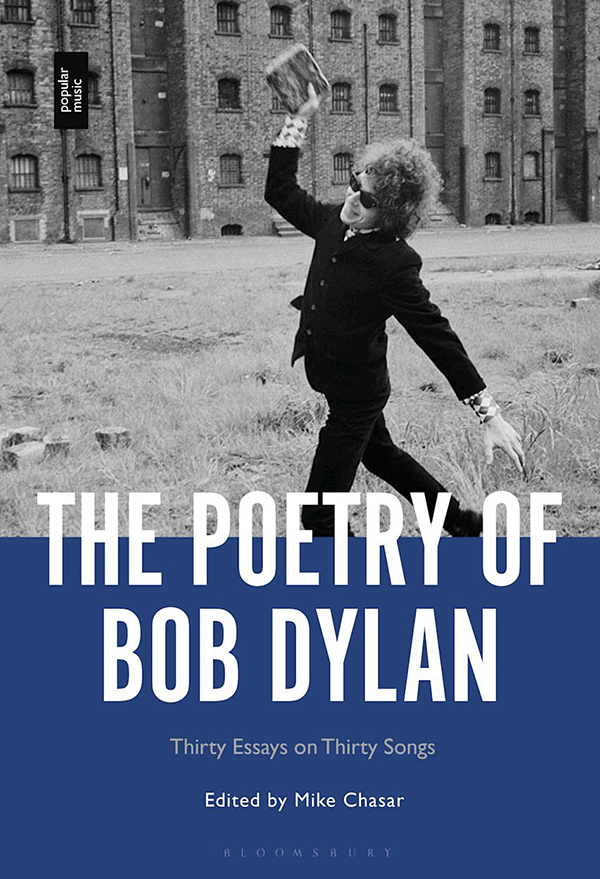
The Poetry of Bob Dylan: Thirty Essays on Thirty Songs
by Mike Chasar (05MA, 07PhD), anthology editor
Bloomsbury Academic
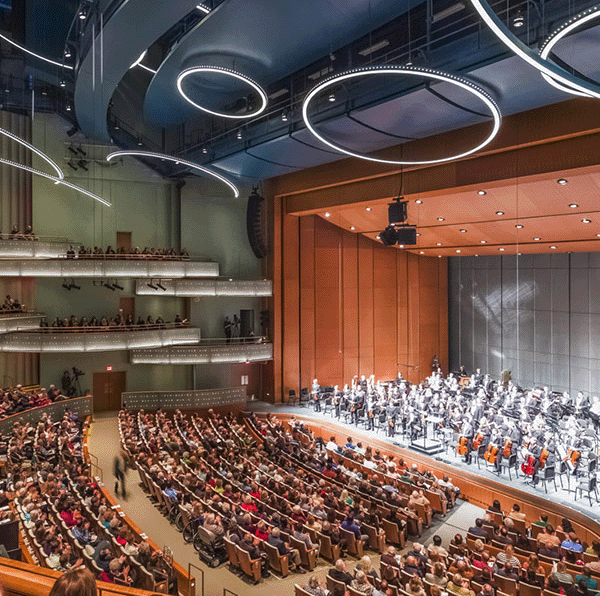 PHOTO COURTESY HANCHER
Dylan at Iowa
Bob Dylan is set to return to Iowa City for the first time in nearly two decades March 25 when he brings his Rough and Rowdy Ways Tour to Hancher for a sold-out show. The 84-year-old icon last played on campus in 2007 at Carver-Hawkeye Arena.
The Poetry of Bob Dylan: Thirty Essays on Thirty Songs
by Mike Chasar (05MA, 07PhD), anthology editor
Bloomsbury Academic
PHOTO COURTESY HANCHER
Dylan at Iowa
Bob Dylan is set to return to Iowa City for the first time in nearly two decades March 25 when he brings his Rough and Rowdy Ways Tour to Hancher for a sold-out show. The 84-year-old icon last played on campus in 2007 at Carver-Hawkeye Arena.