
Iowa Professor Explores J.R.R. Tolkien’s Influence on ’60s Counterculture
 PHOTO COURTESY KATHY LAVEZZO
University of Iowa English professor Kathy Lavezzo is pictured in front of Hobbit Village in the Nishiogi neighborhood of Tokyo while researching her upcoming book, Hobbits and Hippies: Fantasy and the Long Sixties.
PHOTO COURTESY KATHY LAVEZZO
University of Iowa English professor Kathy Lavezzo is pictured in front of Hobbit Village in the Nishiogi neighborhood of Tokyo while researching her upcoming book, Hobbits and Hippies: Fantasy and the Long Sixties.
Several years ago, while reading a memoir by one of the founding figures in the field of cultural studies, University of Iowa English professor Kathy Lavezzo had a Bilbo Baggins moment. Like J.R.R. Tolkien’s hobbit stumbling across the One Ring beneath the Misty Mountains, Lavezzo spotted a glint of scholarly gold buried in the writings of Stuart Hall, the influential cultural theorist and sociologist.
In his memoir, Hall wrote about his love of medieval literature, which caught the attention of Lavezzo, a trained medievalist. Even more intriguing, Hall mentioned studying under an unnamed, “ascetic South African language professor” in the 1950s at Oxford. Lavezzo contacted Oxford and confirmed her hunch: Hall’s instructor was none other than Tolkien, who was born in South Africa before moving as a child to England, where he would later write The Hobbit and The Lord of the Rings.
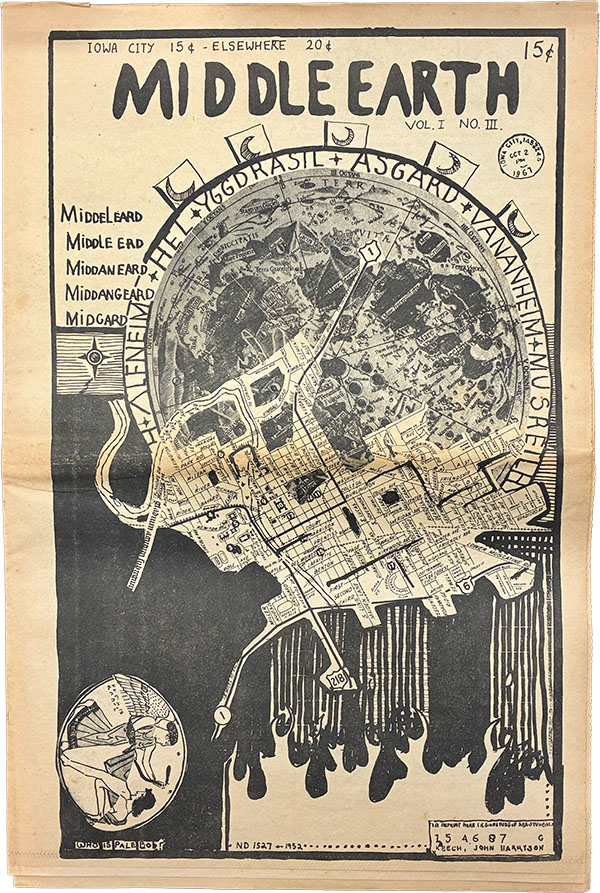 PHOTO: UI SPECIAL COLLECTIONS/ROBERT SAYRE PAPERS
Lavezzo points to Middle Earth, an underground newspaper published in Iowa City in 1967-68, as an example of the local counterculture scene finding inspiration in Tolkien.
PHOTO: UI SPECIAL COLLECTIONS/ROBERT SAYRE PAPERS
Lavezzo points to Middle Earth, an underground newspaper published in Iowa City in 1967-68, as an example of the local counterculture scene finding inspiration in Tolkien.
Sparked by this previously overlooked connection between two cultural giants, Lavezzo embarked on an academic adventure exploring Tolkien’s influence on 1960s counterculture—a topic Hall first touched on in his 1968 essay, “The Hippies: An American ‘Moment.’” Lavezzo’s research project has taken her around the world to interview sources, inspired an upcoming book titled Hobbits and Hippies: Fantasy and the Long Sixties, and led to a new UI honors seminar.
“This is a topic that many people are fascinated by,” says Lavezzo. “Our moment is one in which the ’60s seem to be making a comeback, and Tolkien is even more popular now than he ever has been.”
Lavezzo grew up in the Bay Area, not far from Berkeley, at the heart of the counterculture. She read The Hobbit in high school but was more captivated by Daphne du Maurier’s brand of fantasy in The House on the Strand. Lavezzo has taught at Iowa since 1999, including classes on Arthurian lore and The Canterbury Tales. The author or editor of five books, her most recent is Bad Medievalism and the Modernity Problem (Fordham University Press, 2025), in which she investigates the medieval roots of modern racism.
For Hobbits and Hippies—a book still in the research stage—Lavezzo is interviewing dozens of people on why students, writers, and musicians of the era found meaning in Tolkien’s stories. That includes visiting a hippie haven near Tokyo known as Hobbit Village and meeting a founder of a Japanese Hobbit café once frequented by GIs. She’s also spoken with Vietnam veterans who shared copies of The Lord of the Rings on deployment, the hippie owner of A Change of Hobbit bookstore who collected Tolkien first editions, and a free-speech activist who read Tolkien in prison.
“The ’60s were in the background of my life growing up in Northern California, and this seemed like an exciting opportunity to get to know something that was always kind of there,” Lavezzo says. “I’ve loved hearing the voices of people who were part of that moment.”
Lavezzo says many English majors arrive at Iowa already as fans of Tolkien. In this past spring’s Hobbits and Hippies honors seminar, she challenged students to think critically about fantasy literature in the context of the real-world happenings of the ’60s. Just as the decade’s ideals of free speech, civil rights, and peace and love have endured, Tolkien’s stories of common people—and elves, dwarves, and hobbits—standing against dark forces continue to strike a chord with today’s students.
“There’s something comforting about Tolkien’s world,” Lavezzo says. “It confronts oppression, but it maintains a sense of hope and optimism. And the hope is centered in these little, gentle, fallible hobbits.”