
How to Age Well: Iowa Experts Share Strategies for Healthy, Purposeful Living
When University of Iowa professor Amy Colbert (04PhD) and her husband, fellow Tippie College of Business faculty member Michael Colbert, sat down with a financial planner in their 30s, they were asked when they hoped to retire. They answered in unison: Mike said 55; Amy said 75.
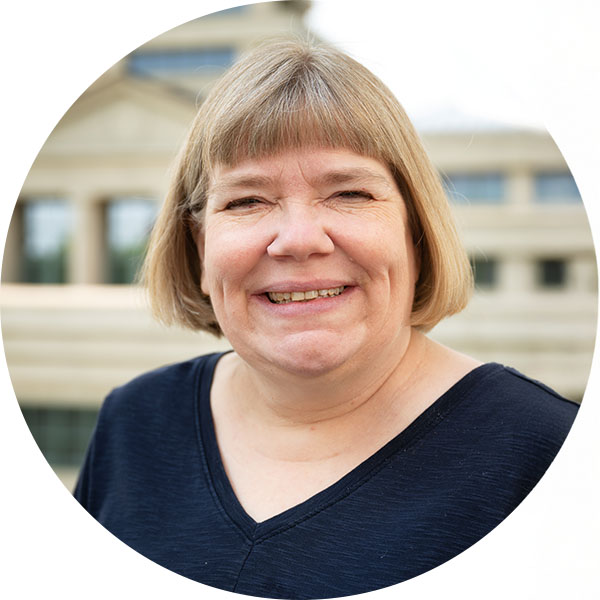 PHOTO: JUSTIN TORNER/UI OFFICE OF STRATEGIC COMMUNICATION
Tippie College of Business professor Amy Colbert
PHOTO: JUSTIN TORNER/UI OFFICE OF STRATEGIC COMMUNICATION
Tippie College of Business professor Amy Colbert
Early in her career—and always a planner—Amy imagined working well into her later years. Retirement seemed a lifetime away.
Those plans unraveled in 2020. Colbert began feeling dizzy and unsteady on her feet. When she looked at her hands, she saw a slight tremor. After extensive testing, doctors with UI Health Care determined the cause: early-onset Parkinson’s disease, an age-related degenerative brain condition. At 48, her carefully mapped future suddenly became clouded with uncertainty. Because the disease progresses differently for each person, it was impossible to know whether she’d continue working for five years or 25 years.
“I was going to be the emeritus professor who hung around,” says Colbert, now 54. “But Parkinson’s unfolds very differently in different people. I had to realize that I don’t know how long I have left to work, that things may change very quickly. Most people don’t know what’s coming down the road. You may think that retirement age is 75, but what would you do differently if it were actually 55?”
Fortunately, Colbert is well-equipped to take on the unexpected changes that arise in the second half of life. A member of the leadership team for the UI’s Barbara and Richard Csomay Center for Gerontological Excellence, she’s among the experts at Iowa addressing the challenges—as well as the possibilities—that come with aging.
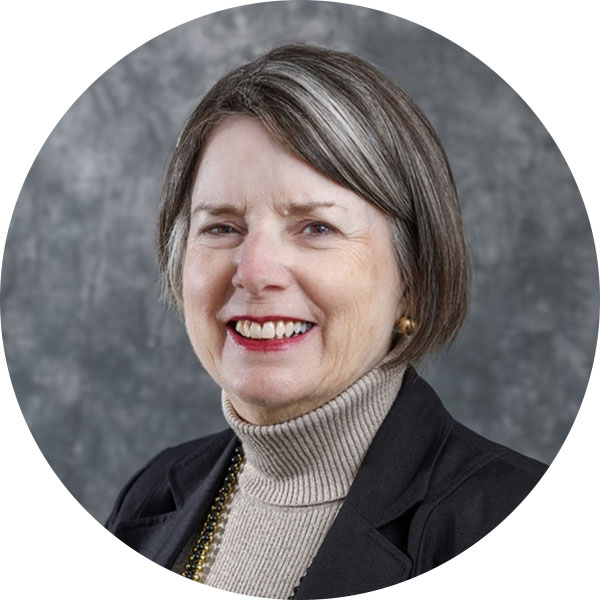 PHOTO: CSOMAY CENTER
Harleah Buck, professor in gerontological nursing and director of the Csomay Center
PHOTO: CSOMAY CENTER
Harleah Buck, professor in gerontological nursing and director of the Csomay Center
The Csomay Center’s affiliates work to advance innovations in research, education, and health care to promote optimal aging and quality of life for older adults. Housed in the College of Nursing, the center offers pilot grants for researchers who investigate aging and resources to support family caregivers. It also leads programs like the Optimal Aging Initiative—a statewide network that promotes age-friendly practices across Iowa.
The center’s interdisciplinary work is especially vital as the baby boomer generation reaches retirement age and the nation undergoes a profound demographic shift. By 2030, 1 in 5 Americans will be over age 65, and by 2060, that age group is projected to reach 95 million, according to AARP. In Iowa, adults 65 and older represent the state’s fastest-growing demographic, increasing by 10.6 percent between 2020 and 2024, according to U.S. census data.
Csomay Center Director Harleah Buck, the Sally Mathis Hartwig Professor in Gerontological Nursing, says that as our nation grows older, Americans are rethinking what it means to age. Not only are we living longer than previous generations, but we’re also striving for healthier, happier, and more meaningful lives in our later years, she says.
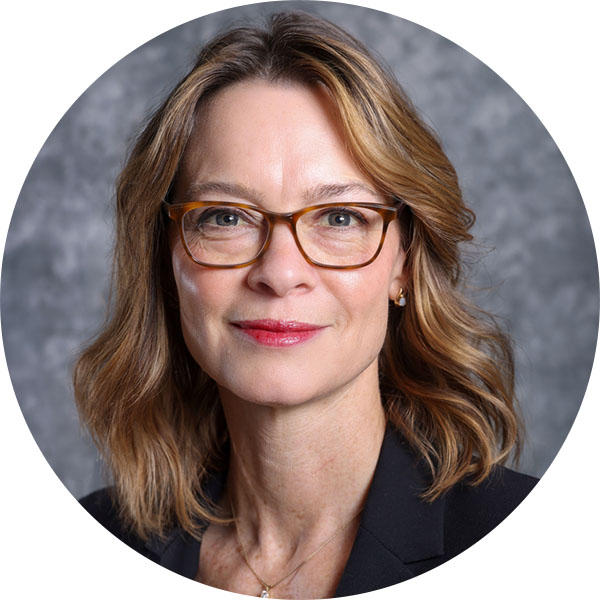 PHOTO COURTESY UI COLLEGE OF NURSING
Jennifer Jones of the UI's Csomay Center
PHOTO COURTESY UI COLLEGE OF NURSING
Jennifer Jones of the UI's Csomay Center
“Optimal aging is the goal of every human being,” says Buck. “We know that aging is inevitable, but you would like to do it to the best of your ability, and you’d also like to do it on your own terms. You know that you might pick up one chronic illness, then maybe a second one, and then the aches and pains of age. In previous generations, that was just always sort of the cost of doing business. You said, ‘This is what it means to be old.’ Well, the baby boomers have stopped and asked the question, ‘Is it really, or are there ways in which we can do this better?’”
Jennifer Jones, the Csomay Center’s outreach, education and programming coordinator, connects individuals and communities across Iowa with resources through the Optimal Aging Initiative. Her core message is simple: To age well, you must plan to age well. It’s never too early, says Jones, to imagine what you want your retirement years to look like.
“Optimal aging doesn’t mean that you’re the best health specimen ever,” says Jones. “You might not be without a disease or a diagnosis or something you’re monitoring. It’s despite that, you’re doing everything you can to age well. Yes, it’s about your physical health, but it’s also about your mental, spiritual, emotional, and financial wellness.”
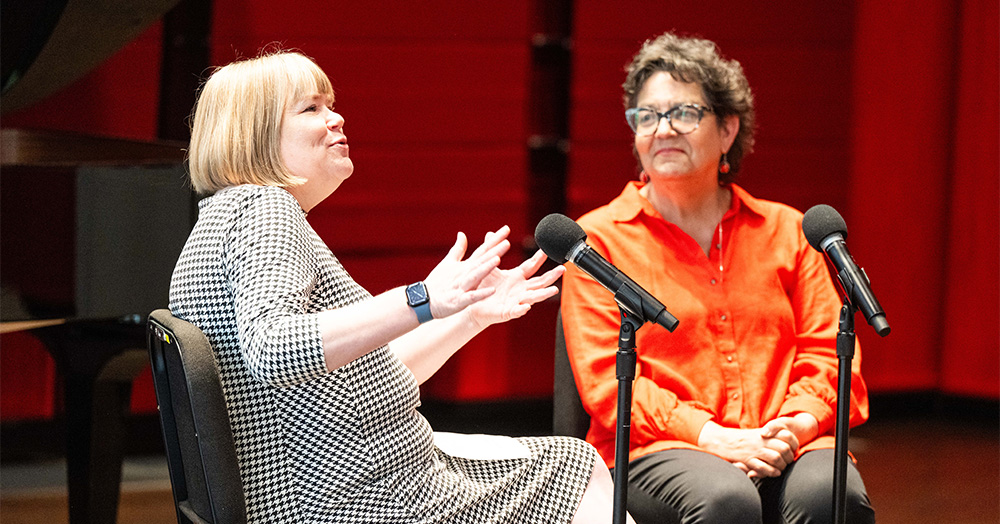 PHOTO: JUSTIN TORNER / UI OFFICE OF STRATEGIC COMMUNICATION
UI Tippie College of Business professor Amy Colbert (left) talks with Mercedes Bern-Klug, a professor in the UI School of Social Work, last fall at an event hosted by the Obermann Center titled "The Fourth Age of Life: The Challenges of Aging and the Joys of Connecting."
PHOTO: JUSTIN TORNER / UI OFFICE OF STRATEGIC COMMUNICATION
UI Tippie College of Business professor Amy Colbert (left) talks with Mercedes Bern-Klug, a professor in the UI School of Social Work, last fall at an event hosted by the Obermann Center titled "The Fourth Age of Life: The Challenges of Aging and the Joys of Connecting."
More than five years after her Parkinson’s diagnosis, Colbert has a new perspective on aging. A management and entrepreneurship expert, she studies how professionals handle sudden transitions in their careers, including retirement, as well as how to find purpose in the workplace and beyond. Since her diagnosis, Colbert has shifted her research focus to study how people with Parkinson’s psychologically manage the losses that come with the disease. She’s used strategies from that research to deal with the losses that Parkinson’s has caused in her own life.
Unable to drive, Colbert moved into a house on a bus line, with everything she needs on a single level. She uses a cane to get around but enjoys walks with her family, knowing that exercise is one of the best ways to manage Parkinson’s symptoms. Stress can be a trigger for her symptoms, so she practices meditation. When she orders coffee, she asks for room at the top so her tremors don’t cause spills.
Colbert continues to teach, but as stiffness increased and her energy waned, she had to step away from her role as chair of Tippie’s management department and from leading the daylong executive education sessions she once loved. Instead, she’s leaned into mentoring, and she finds the one-on-one meetings with students even more rewarding. She also launched a new initiative called the Social Impact Community—a hub for faculty, staff, and students working together to address societal challenges.
“When we’re connected with others and contributing to a broader purpose, there’s a shift from the concerns that come with aging,” says Colbert. “Does that mean that my Parkinson’s symptoms are better? No, that doesn’t. But I do have a broader perspective on what’s going on in my own brain, and so some of those associations with well-being have to do with seeing yourself as more than just a series of symptoms.”
Colbert is grateful to receive treatment at UI Health Care, home to one of 50 Parkinson’s Foundation Centers of Excellence in the world. She’s also become an advocate for the Michael J. Fox Foundation and its mission of finding a cure for Parkinson’s.
While Colbert has published dozens of academic papers, she’s discovered a love for personal essay writing since her diagnosis. Two years ago, she participated in the Iowa Summer Writing Festival, which gave her confidence to launch a Substack blog. There, she shares reflections on life as a middle-aged empty nester living with Parkinson’s.
Sitting down to write her first post in 2024, Colbert needed a name for her blog—one that would resonate with others whose lives, like hers, had taken unexpected turns with age.
“Who am I now?” she typed.
 Illustrations: JACK HUDSON
Iowa Experts on Optimal Aging
Iowa Magazine spoke with four University of Iowa researchers affiliated with the Csomay Center for Gerontological Excellence about optimal aging. Here’s what they say you should know about physical activity, cognitive function, community, and finding purpose.
For Healthy Aging, Start With Movement
When Chelsea Howland, an assistant professor at the UI College of Nursing, talks to people about preparing for their later decades, the first thing she asks is, “What’s your definition of healthy aging?” Often, they say they want to maintain their independence, age in place, and continue to do the activities they’re passionate about. The key to all those goals, she says, is physical activity.
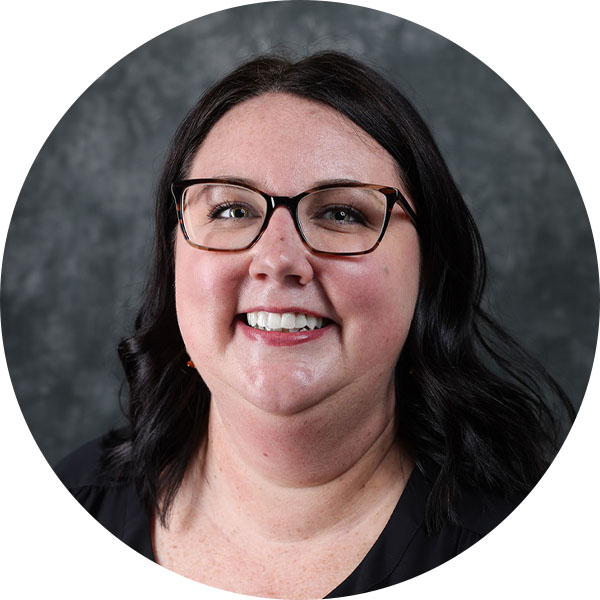 PHOTO: REBECCA MILLER/UI COLLEGE OF NURSING
UI College of Nursing assistant professor Chelsea Howland
PHOTO: REBECCA MILLER/UI COLLEGE OF NURSING
UI College of Nursing assistant professor Chelsea Howland
Exercise can help mitigate age-related decline, including muscle loss, frailty, and falls, as well as reduce the risk of chronic health conditions such as diabetes, hypertension, and high cholesterol. Physical activity can also promote better sleep, reduce depression, and improve a sense of well-being. Howland notes that some research shows that physical activity can help older adults maintain cognitive function.
“Overall, it has a holistic impact on people’s lives to help them age,” says Howland, who has received grant funding through the Csomay Center to study the use of wearable fitness devices in rural older adults with diabetes.
Howland recommends older adults get 150 minutes of moderate to vigorous aerobic physical activity per week. That includes activities like brisk walking, swimming, and pickleball. She also recommends two weekly sessions of resistance training, using bodyweight exercises like squats or sit-to-stands, hand weights, or gym equipment. Lastly, she says it’s important to incorporate balance and flexibility training to help mobility and reduce fall risk.
Howland says it’s never too late to start being active, and it’s best to start with small goals. If you’re getting 2,000 steps a day, aim for 2,200 and work upward from there.
“Sometimes it can seem like a lot to try to go from living an inactive lifestyle to getting 150 minutes a week, but anything is better than nothing,” she says. “Just getting out and doing movement that feels good and fits within people’s lifestyles is the most important part.”
Build Habits Today to Strengthen Your Mind
Juliana Souza-Talarico, an associate professor in the UI College of Nursing and a member of the Csomay Center leadership team, has spent her career researching cognitive decline in aging. But the topic became deeply personal when her mother was diagnosed with mild cognitive impairment 10 years ago. Often described as the transitional stage between typical cognitive aging and dementia, the condition can involve memory problems, as well as challenges with language and judgment.
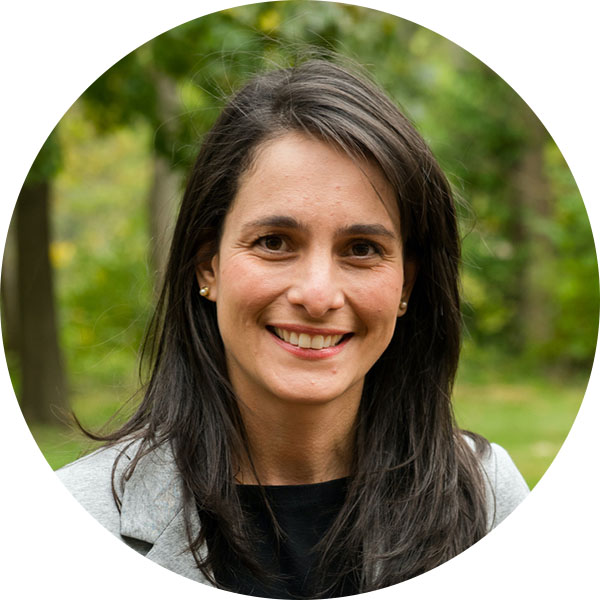 PHOTO: COURTESY UI COLLEGE OF NURSING
UI College of Nursing associate professor Juliana Souza-Talarico
PHOTO: COURTESY UI COLLEGE OF NURSING
UI College of Nursing associate professor Juliana Souza-Talarico
Souza-Talarico noticed subtle signs, like her mother putting a diaper on her grandchild inside-out, and encouraged her to see a doctor. After receiving the diagnosis for mild cognitive impairment—which carries an increased risk for Alzheimer’s disease—Souza-Talarico ensured her mother was getting plenty of exercise, staying social with friends and family, and other lifestyle steps that can offer protection against cognitive decline. She also addressed other cognitive risk factors, including managing her mom’s high blood pressure, anxiety, and previously undetected sleep apnea. Ten years later, her mother’s cognition has remained steady, and she continues to live independently.
“The lesson learned is that early detection can be an opportunity to take systematic steps to reduce risk factors, which, in her case and according to scientific evidence, helped postpone the disease and help her stay stable for so long,” says Souza-Talarico.
Through her work with the Csomay Center, Souza-Talarico studies how psychological, social, and environmental stressors affect the aging brain. “Chronic stress triggers biological changes that can affect the brain as we age and increase the risk for Alzheimer’s disease,” she says.
Long-term stress can disrupt hormones, increase inflammation, and affect brain regions tied to memory and attention. Environmental exposures, health care access, social isolation, and community resources also shape stress and cognitive risk, she says.
Souza-Talarico emphasizes the importance of physical activity and a diet rich in fruits and vegetables—two key strategies for reducing oxidative stress and supporting cognitive reserve, the brain’s ability to maintain performance despite age- or disease-related changes. Midlife, she notes, is a critical time to detect and modify risk factors such as hypertension, diabetes, obesity, smoking, alcohol, air pollution, hearing loss, depression, stress, sleep disorders, and lack of social or mental stimulation.
“Don’t wait to get older to start thinking of this,” says Souza-Talarico. “There are several factors that we can tackle and reduce. Studies show that if you start doing this at midlife, your cognition tends to be better.”
Create a Life of Lasting Connection
Mercedes Bern-Klug (82BA, 84MSW) doesn’t plan to retire anytime soon, but now in her 60s, she’s preparing for the day she steps away. The UI social work professor recently remodeled her home so everything she needs is on the main level, allowing her to stay put even if she’s no longer able to negotiate the stairs. At the same time, she’s building something else that she knows is just as crucial for health in retirement: strong social connections.
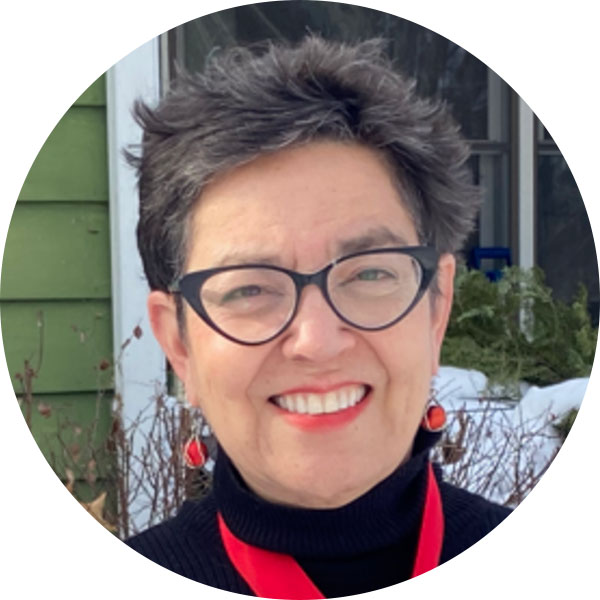 PHOTO COURTESY CLAS
UI social work professor Mercedes Bern-Klug
PHOTO COURTESY CLAS
UI social work professor Mercedes Bern-Klug
“Acute, prolonged loneliness is more dangerous than smoking a pack of cigarettes a day,” says Bern-Klug, “so finding ways to stay healthy means finding ways to stay connected.”
Bern-Klug is coordinator of the UI’s Aging and Longevity Studies Program, which is one of the nation’s longest-running gerontology programs. Also a member of the Csomay Center leadership team, her research focuses on how social workers and health care providers can support older adults and their families.
Humans are inherently social, says Bern-Klug, and positive and meaningful interactions benefit our mental and physical health. Whether you’re a person who craves connection or someone who values solitude, everyone needs some level of human interaction to thrive, she says.
Bern-Klug has been a longtime volunteer at an array of organizations in the Iowa City community and beyond—part of the ethos of social work, she says—and she plans to ramp up her volunteerism in retirement. She encourages people to seek out roles that fit their interests and skills, whether that means volunteering at a food pantry or mentoring a young person. Senior centers, community programs, and places of worship are settings that lend themselves to connecting.
“It doesn’t have to cost money. Invite someone for a cup of coffee, meet at a park, take a walk,” she says.
Social media and other digital tools can help older adults build community, particularly when geography, mobility, or health limit face-to-face interactions, she says. At the same time, the digital divide can contribute to loneliness, she cautions. That can be especially true for those without reliable internet access, devices, or comfort using technology.
Bern-Klug stresses the value of making intergenerational connections and has forged friendships with people of all ages that have broadened her perspectives. She’s learned about football and soccer to bond with her sports-loving nephew, for instance, and she’s made fascinating friends in nursing homes through her work and volunteerism.
“Some of the most delightful conversations I’ve had in my life were with people over 80 who knew how to contribute, listen, and ask good questions,” she says.
Above all, Bern-Klug views getting older as a privilege—an opportunity to nurture meaningful relationships and build new ones. “There’s something yet to be gained, and there’s something yet to give,” she says.
Assemble a Portfolio of Purpose and Meaning
Just as we prepare financially for retirement through 401(k)s and IRAs, Tippie College of Business professor Amy Colbert (04PhD) says it’s important to make other kinds of investments—by midlife or earlier—that support long-term well-being.
“As we are working—and especially in our later years—we should have a variety of ways that we are finding purpose and meaning, so that our portfolio is diversified,” says Colbert.
Work tends to concentrate both purpose and social connection in one place, but retirement removes that structure. As we age, says Colbert, it’s crucial that we look beyond our jobs to find sources of fulfillment—something experts say is linked to better health and well-being in older adults.
At any stage of life, Colbert encourages people to pay attention to what “lights you up.” By taking note of moments of joy, she says, we can find clues about the things that might offer lasting fulfillment in retirement. “When are you having the most fun? When are you feeling a sense of impact? Those may be at work now, but you’ll learn something about yourself so that you can find other contexts to achieve that same positive energy,” she says.
Many retirees feel restless or dissatisfied at first, even if they planned ahead. Colbert frames this as a liminal phase—an in-between time that allows for exploration and recalibration. She cautions against filling up your planner immediately. Instead, she recommends giving yourself the space to pursue new adventures—or revisit old passions. Hobbies and interests from childhood or earlier life that were pushed to the side by career demands can offer meaningful sources of connection and purpose in retirement, she says.
“You might think it would be useful to jump into other activities if you’ve been going at this pace for a while,” she says. “But you might need some time where you’re underscheduled, where it’s like, ‘Oh, I’m just going to wander into the library, and what am I going to pick up today?’”