
UI’s Ornithological Archive Offers Bird’s-Eye View of History
 PHOTOS: SETH DIEHL
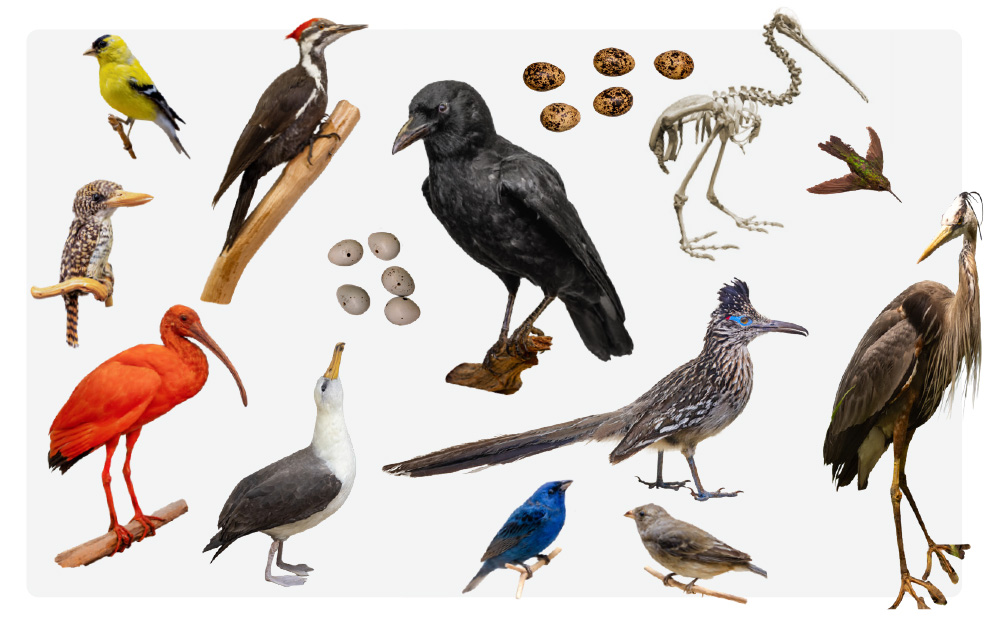
A sampling of the unique birds and eggs found in the UI Museum of Natural History's vast ornithological collection.
PHOTOS: SETH DIEHL
A sampling of the unique birds and eggs found in the UI Museum of Natural History's vast ornithological collection.
A trove of birds in the University of Iowa Museum of Natural History can no longer take flight—but it still holds the secrets to past worlds in motion.
With more than 31,000 avians, eggs, and nests, the museum’s ornithological collection features nearly all native Iowa species and seasonal visitors. This includes about 1,000 birds on display in the Hageboeck Hall of Birds as well as those in the century-old Laysan Island Cyclorama, a 360-degree view of a bird sanctuary on an outpost of the Hawaiian atoll.
The museum’s specimens, which staff also catalogue in an international database, benefit students, scholars, and artists alike. Visitors can use the collection to explore everything from Earth’s shifting seasons and vanishing habitats to evolving avian forms.
Perched behind glass or tucked in drawers, some of the birds date as far back as the museum’s founding in 1858, while others are more recent acquisitions from members of the public, the Iowa Raptor Project, and academic research collections. Each one serves as an ecological time capsule that can yield vital clues about climate and biodiversity.
“This collection plays a special role in educating students, and it helps them answer some of the most pressing questions about our past, present, and future,” says Jessica Smith (14BA), the museum’s communications specialist. “Birds are incredibly important to humanity.”
Meet the Flock
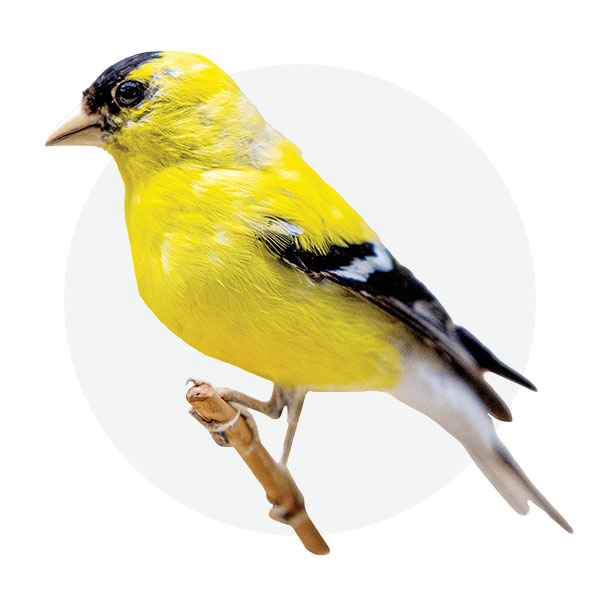
American goldfinch | Spinus tristis
Male, collected in 1954 by Walter Conrad Thietje in Johnson County, Iowa; on display at the UI Museum of Natural History, third floor, Hageboeck Hall of Birds.
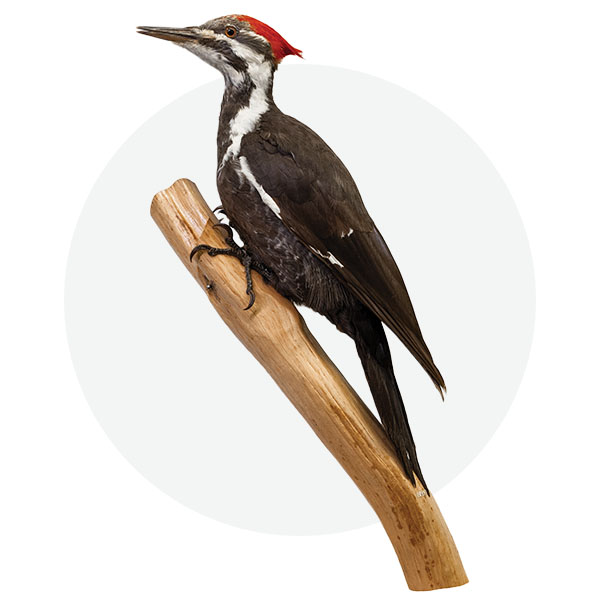
Pileated woodpecker | Dryocopus pileatus
Female, collected in 1878 by Clinton Mellen Jones in Gainesville, Cooke County, Texas; UI Museum of Natural History, research collections.
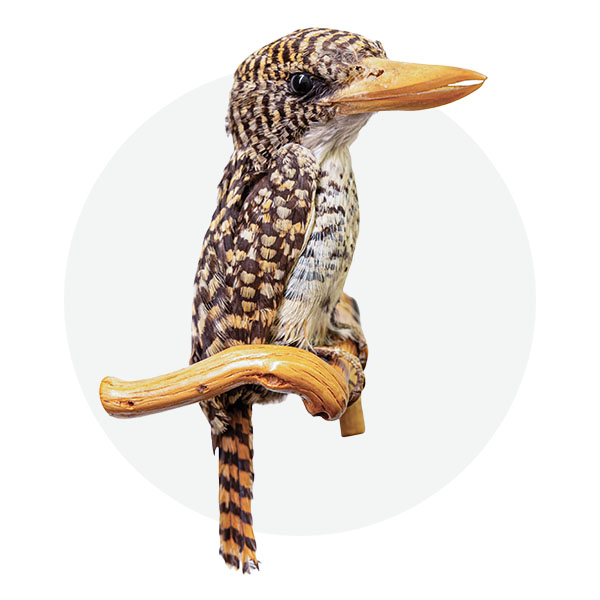
Banded kingfisher | Lacedo pulchella
Female, part of the William Temple Hornaday Collection, 1880s c., Malacca, Malaysia; UI Museum of Natural History, research collections.
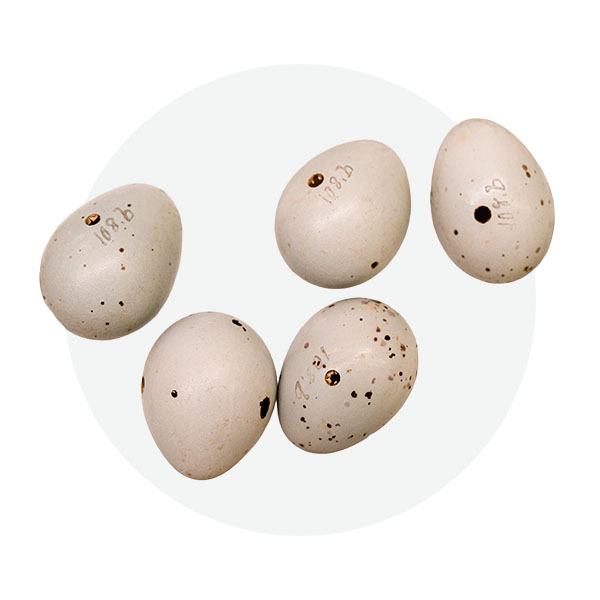
Spotted flycatcher eggs | Muscicapa striata
Collected in 1871 by Clinton Mellen Jones in Sparham, Breckland, United Kingdom; UI Museum of Natural History, research collections.
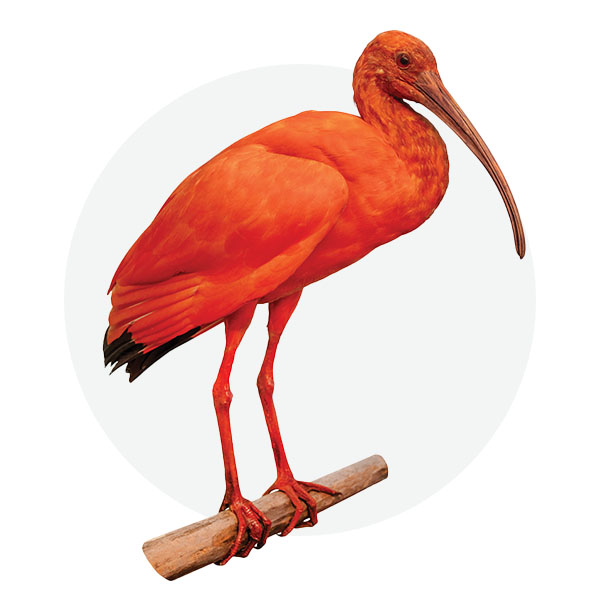
Scarlet ibis | Eudocimus ruber
On display at the UI Museum of Natural History, third floor, Hageboeck Hall of Birds.
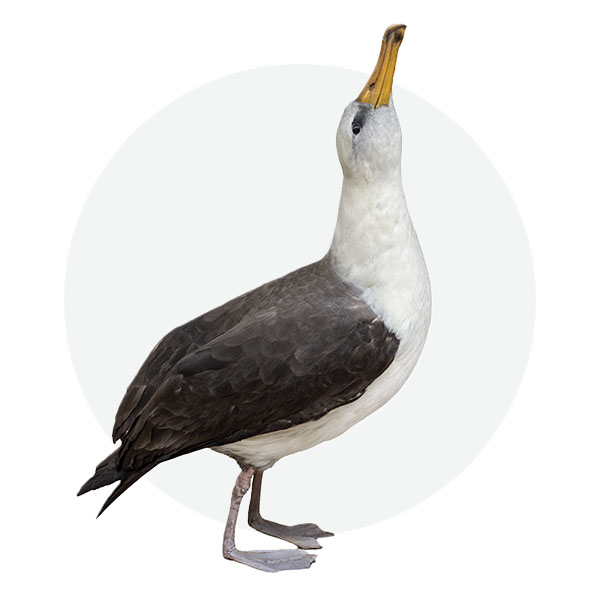
Laysan albatross | Phoebastria immutabilis
Collected by zoology professor Homer Ray Dill during the 1911 Laysan Island Expedition in Hawaii, which included UI students and faculty; on display at the UI Museum of Natural History, third floor, Hageboeck Hall of Birds, Laysan Island Cyclorama.
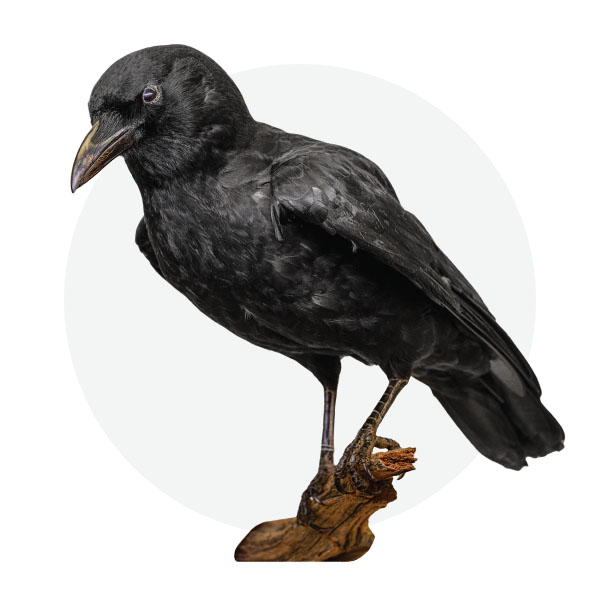
American crow | Corvus brachyrhynchos
UI Museum of Natural History, research collections.
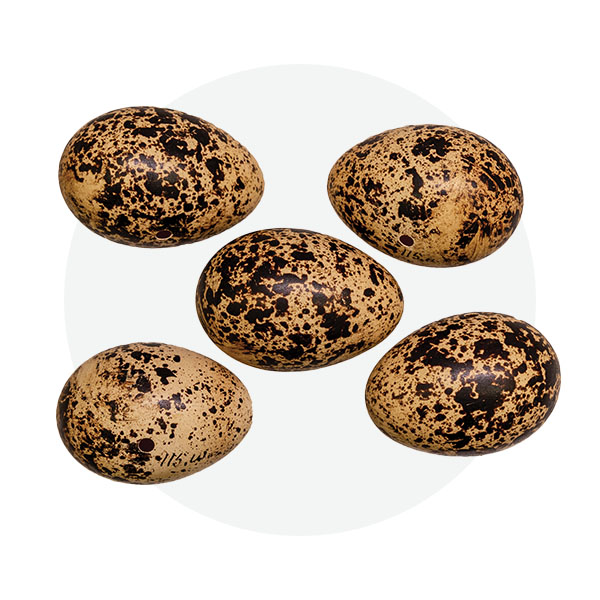
Red grouse eggs | Lagopus scotica
Part of the Clinton Mellen Jones Collection; UI Museum of Natural History, research collections.
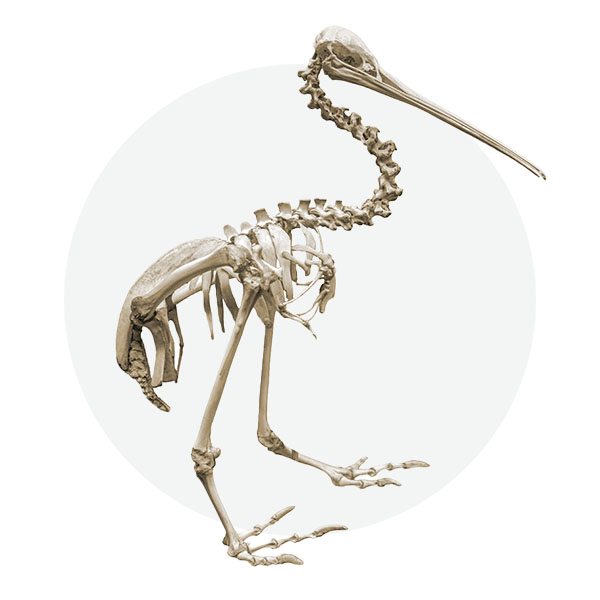
North Island brown kiwi skeleton | Apteryx mantelli
Collected in New Zealand; purchased from Ward’s Natural Science Establishment, 1887, c.; UI Museum of Natural History, research collections.
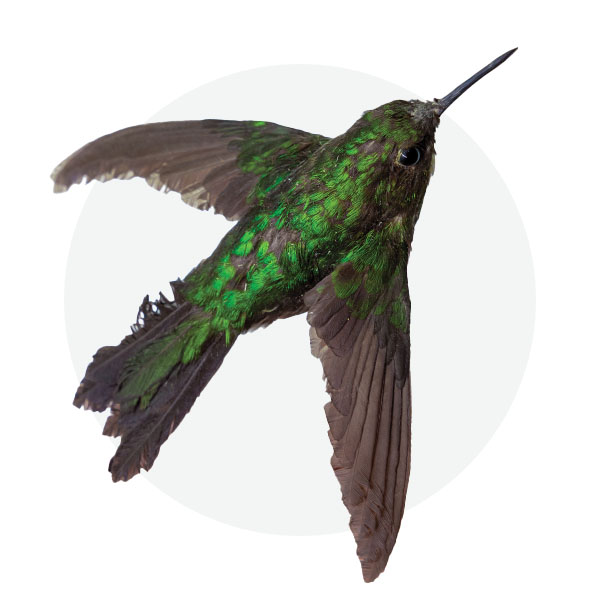
Tourmaline sunangel (hummingbird) | Heliangelus exortis
South America; part of the Homer Ray Dill Collection; UI Museum of Natural History, research collections.
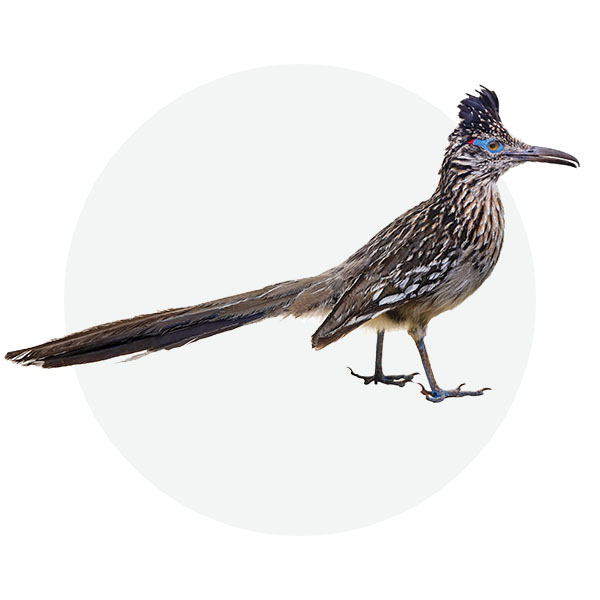
Greater roadrunner | Geococcyx californianus
Collected by Daniel Hector Talbot, Texas; on display at the UI Museum of Natural History, third floor, Hageboeck Hall of Birds.
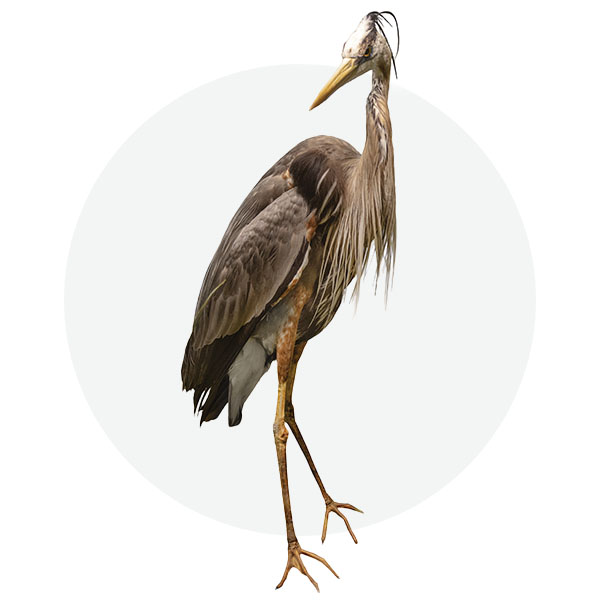
Great blue heron | Ardea herodias
Male; collected in 1940 by Walter Conrad Thietje in Louisa County, Iowa; on display at the UI Museum of Natural History, first floor, Iowa Hall, ecology wing, wetland exhibition.
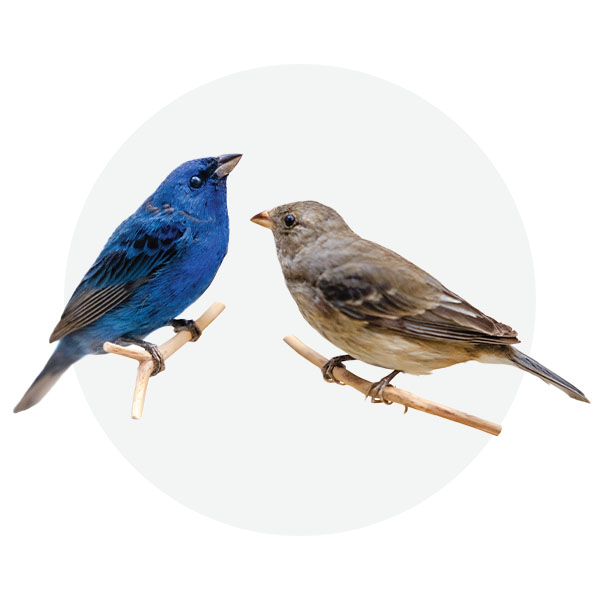
Indigo buntings | Passerina cyanea
Perched as a pair; left, male, collected in 1898; right, female, collected in 1898; both by Clinton Mellen Jones in Eastford, Connecticut; on display at the UI Museum of Natural History, third floor, Hageboeck Hall of Birds.